
Residential Solar Resources
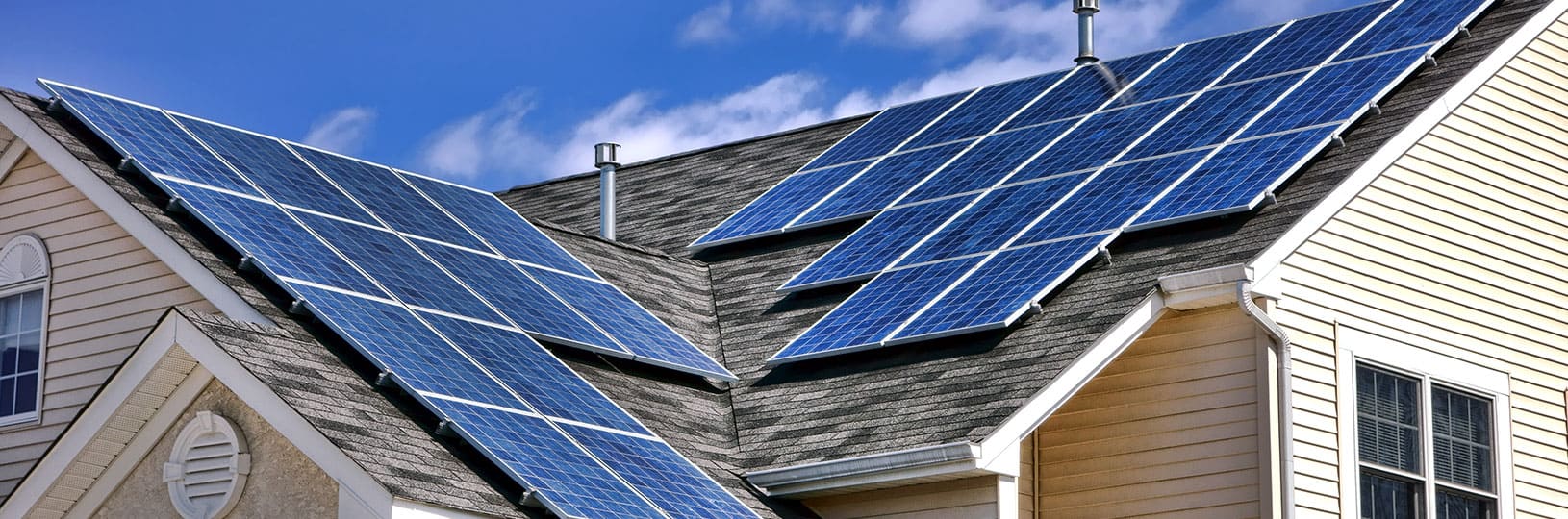
Renewable energy is necessary for a reliable, affordable, and sustainable modern energy system. Renewable forms of energy include solar, wind, hydropower, geothermal, and biomass.
Solar power has become increasingly affordable and efficient over the past several decades. After up-front installation costs, the savings begin. Renewable energy is now the cheapest form of new energy development and is outpacing fossil fuels in terms of new installations. Solar also presents an opportunity for significant job growth in the new clean energy industry.
Solarize Oakland County:
Solarize Oakland County is a new community-focused initiative that connects residents to solar education, resources, and discount opportunities. Find a Solarize event in your community
Solar has many benefits, both for individual households and the community at large:
- Lower energy costs
- Job creation and workforce development
- Energy independence
- Increased home values
- Increased resilience in the energy grid
- Reduced grid strain during peak demand hours
- Cleaner air and reduced greenhouse gas emissions
Oakland County’s Solar Commitments and Initiatives
Oakland County Executive Dave Coulter set the goal of reducing the greenhouse gas emissions from county operations by 50% by 2035 and achieving net-zero emissions by 2050. Renewable energy is necessary to achieve these goals.
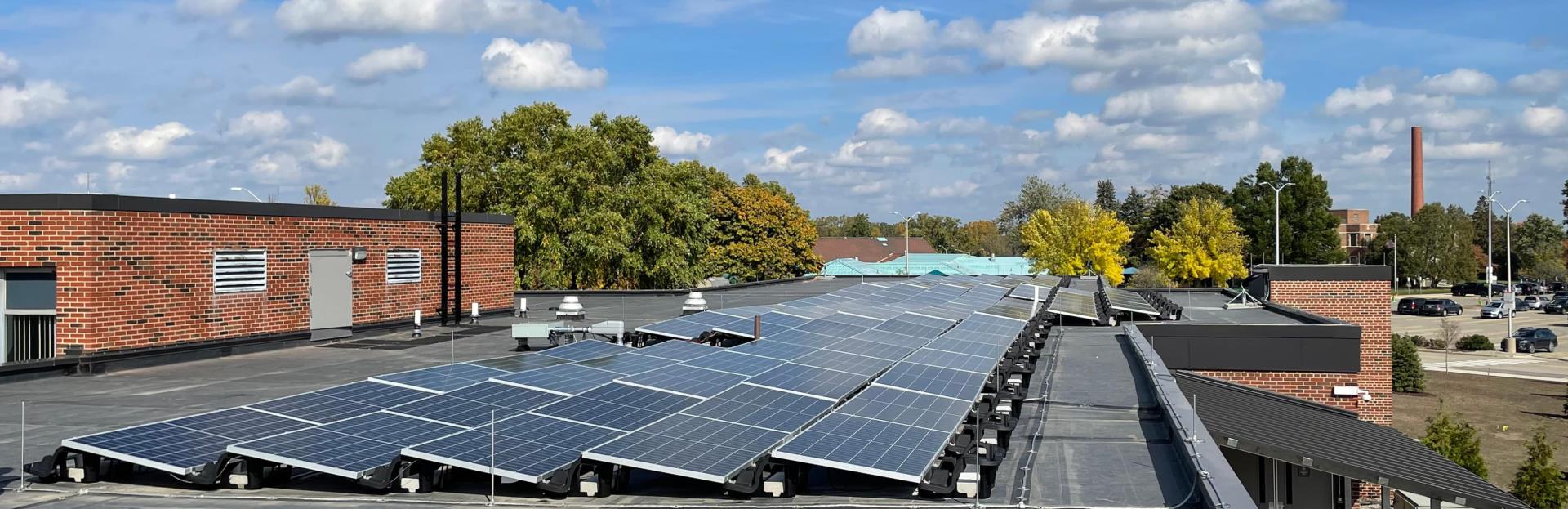
Oakland County installed 140 solar panels on the Sheriff’s Evidence building in August 2023. This system is expected to produce approximately 945 MWh of electricity over 15 years. Oakland County also offers solar-powered EV-charging at Holly Oaks ORV Park.
Starting in 2026, 100% of our Electric Choice accounts will be powered by solar energy. This amounts to approximately 65% of the electricity used in Oakland County buildings.
FAQ
Factors that may affect your property's potential for solar power include the sunlight your roof receives, available square footage on the roof and the property's location.
You can investigate your property's solar potential at Project Sunroof, where you can see Google Earth images of your property.
It is also important to understand your electric usage. You can access your electric usage on your electric bills or at your utility's website.
If you’re a renter, or if your roof is not suitable for solar, you can purchase green power from your utility for a small premium. Green power means that the utility invests in and produces clean electricity from renewable energy sources, such as solar or wind. You can buy a percentage of electricity (0-100%) of your monthly bill. Learn more about your utility provider’s green power offerings:
- DTE MI Green Power – You can purchase green energy in 5% increments of your monthly usage, or at a fixed $1 or $2 amount per month.
- Consumers Energy has multiple renewable energy programs, including Solar Gardens and Residential Renewable Energy Program.
- Michigan Saves Find a Contractor tool
- GLREA list of solar installers
- EnergySage Michigan solar
Certified practitioners can also be found through NABCEP.
Over the past decade, the cost of solar has declined significantly, primarily driven by lower equipment costs. The National Renewable Energy Laboratory estimates that between 2010 and 2020, there has been a 64% reduction in the cost of residential, a 69% reduction in the cost of commercial rooftop, and an 82% reduction in the cost of utility-scale PV systems.
- Financing:
- Michigan Saves offers solar financing.
- Many solar installers have connections to financing options.
- You can apply for financing through your bank or credit union.
- Incentives:
- Solarize is a program that educates and connects residents to group bulk-discounts.
- Entities eligible for direct pay (non-profits, places of worship, local governments, and commercial businesses) can receive 30% a federal solar tax credit through the end of 2027.
Exact energy savings depend on your electricity usage patterns and the suitability of your roof for solar. With utility energy rates projected to continue rising, savings may become more significant over the lifetime of your system.
Solar arrays require little maintenance and typically last for 25 years or more. Once the cost of the system is recovered, you’ll continue saving for the remaining life of your solar array. In their bid, a solar installer should include a proposal that shows how long it will take to get a return on your investment.
Improving the energy efficiency of your home will maximize the benefits you receive from going solar. Consider getting a home energy audit to identify places where air sealing or insulation can be improved. Familiarize yourself with energy savings behaviors and look for Energy Star or high-efficiency appliances.
Electrification is the process of replacing fossil-fuel burning processes with systems that use electricity. For example, replacing a gas stove with an induction stove, a furnace with a heat pump, or a gas dryer with an electric dryer. Some homeowners pair electrification with going solar to improve indoor air quality and move away from fossil fuels.
To learn more, explore our energy efficiency and electrification resources for residents.
By Michigan law, you will need an electrical permit to install solar. This should be done by your solar contractor.
- As of November 2023, rooftop solar is permitted to cover up to 110% of the customer’s annual load. A solar contractor will typically calculate the maximum permitted system size based on your previous year’s electrical usage.
- As of 2024, Michigan homeowners’ associations are required to allow rooftop solar panel installations.
- Impact of property taxes: Solar property tax exemptions give homeowners the right to remove the added value of a solar panel system from the valuation of their home for tax purposes. This means that even when the value of your home increases due to a solar system installation, your property taxes will still reflect the pre-solar value of your home. Michigan reinstated this tax exemption in 2019.
Solar power requires several technologies, including photovoltaic cells (solar panels), inverters, and battery storage options. To learn more about how these technologies work, check out this video on how solar panels work.
Visit these links for consumer protection information:
- SEIA has a residential solar consumer guide that was updated in July of 2025.
- The State of Michigan provides background on the roles of each party involved in solar installation and a consumer protection hub where consumers can look for known consumer alerts or file complaints.
- If you own a large amount of land, a utility company may approach you about a solar lease. A solar lease allows the utility to build a ground mount solar system on your land and pay you compensation for the use of your land, for a set period of time.
- Consumer’s Energy offers an option for landowners to submit their land for consideration.
- The Ohio State University, the USDA, and the National Agricultural Law Center created a Farmland Owner’s Guide to Solar Leasing in 2019 that provides useful guidance.
- The US Department of Energy provides a Farmer’s Guide to Going Solar, which has guidance on opportunities and questions specific to agricultural landowners. The American Farmland Trust also provides guidance and examples of successful agricultural solar development.