Contact Info
Emergency Management
248-858-5550
8:30am - 5:00pm

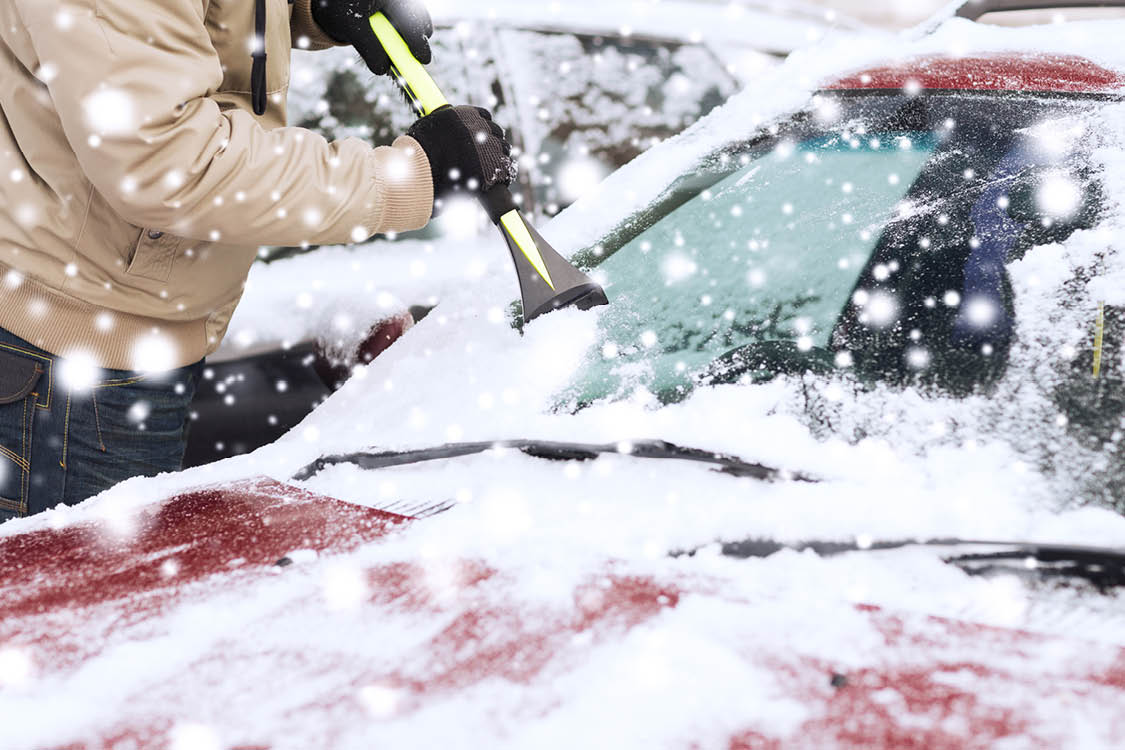 Oakland County Emergency Management, along with partners at Michigan State Police, Emergency Management and Homeland Security Division (MSP/EMHSD), encourage Michiganders to make winter emergency preparedness a priority.
Severe winter weather poses health and safety concerns with extremely cold temperatures, freezing pipes, potential propane shortages and power outages. With a little planning and preparing, you can be ready before the next winter incident occurs.
This information is designed to give an overview about what to do before, during and after a winter hazard emergency or disaster. If there is a life-threating situation, immediately call 9-1-1. For information about human services available during an emergency or disaster, call 2-1-1.
On average, a major winter storm hits some part of Michigan at least once per month between October and April. In 2012, the last year that statistics were available, 20 people died in Michigan as a direct result of severe winter weather, according to the Michigan Department of Community Health. This is in addition to victims of traffic crashes due to slippery roads and those who suffered heart attacks while shoveling snow.
Wind chill is the perceived temperature resulting from the effect of the wind, in combination with cold air, which increases the rate of heat loss from the human body.
Frostbite is damage to body tissue caused by that tissue being frozen. Frostbite causes a loss of feeling and a white or pale appearance in extremities, such as fingers, toes, ear lobes, or the tip of the nose. Frostbite varies in severity from frostnip to deep frostbite, depending on the length of exposure, temperature to which the skin is exposed, and wind speed. For frostbite place firm, steady pressure from a warm hand against the area. Also, blow on the surface holding the frostbit area against the body. Do not rub the area, apply snow, or plunge it into very hot or cold water. Victims of severe frostbite must receive prompt medical attention.
Hypothermia occurs when the body temperature drops to 95 degrees or lower. It can develop when body heat loss exceeds heat gain. Hypothermia is not exclusive to winter. It can occur during the wind and rain of spring and summer. Hypothermia is often mistaken for fatigue, irritability, or dehydration and may include some of these signs: abnormal decision making; improper response to cold; apathy; lethargy; decreased cooperation; slurred speech; disorientation; shivering; stumbling and stiffness progressing to inability to move.
Treating mild to moderate hypothermia (body temperature greater than 90 degrees Fahrenheit, conscious, shivering, able to walk):
Treating severe hypothermia (body temperature less than 90 degrees, unconscious, not shivering):
The United States Fire Administration estimates that 905 people die in winter home fires each year. Direct property losses due to winter home fires reach over $2 billion a year, with heating being the second-leading cause of all residential building fires following cooking. By following a few safety tips, citizens can put a freeze on winter fires.
Wood stoves are a common or secondary heating source for homes. Carefully follow the manufacturer's installation and maintenance instructions. Wood stoves should be of good quality, solid construction and design and should be approved by a recognized testing lab such as Underwriter's Laboratory (UL) safety listing. The stove should have a clearance of three feet from combustible surfaces and proper floor support and function.
Only buy heaters with the UL safety listing. Check to make sure it has a thermostat control mechanism and safety switch, enabling it to switch off if the heater falls over. Heaters are not dryers or tables; don't dry clothes or store objects on top of your heater. Space heaters need available room around them; keep combustibles at least three feet away from each heater. Always unplug your electric space heater when it is not in use.
Buy only UL-approved heaters and check with your local fire department on the legality of using a kerosene heater in your community. Never fill your heater with gasoline or camp stove fuel; both flare up easily. Only use the fuel recommended by the heater's manufacturer. Never introduce a fuel into a unit not designed for that type of fuel. Never overfill any portable heater.
Fireplaces regularly build up creosote in their chimneys. Fireplaces need to be cleaned out frequently and chimneys should be inspected for obstructions and cracks to prevent deadly chimney and roof fires. Check to make sure the damper is open before starting any fire. Never burn trash, paper, or green wood in your fireplace. These materials cause heavy creosote buildup and are difficult to control. Use a screen heavy enough to stop rolling logs and big enough to cover the entire opening of the fireplace to catch flying sparks. Make sure the fire is completely out before leaving the house or going to bed. Store cooled ashes in a tightly sealed metal container outside the home.
Source: U.S. Fire Administration website
Portable generators are useful when temporary or remote electric power is needed, but they can be hazardous if not used properly. The most common dangers associated with portable generators are carbon monoxide (CO) poisoning, electrical shock or electrocution and fires.
There are simple steps you can take to prevent these hazards from occurring and resulting in the loss of life and/or property damage from improper use of portable generators.
Before refueling the generator, turn it off and let it cool. Fuel spilled on hot engine parts could ignite. Always store fuel outside of living areas in properly labeled, non-glass containers. Store fuel away from any fuel-burning appliance.
Severe winter storms can have an impact not only on people, but can impact animal health. Pets are at risk during severe winter weather due to wind chill factors, hypothermia and frostbite. Make plans for your pets in the event you will need to evacuate.
Animals that have prolonged exposure to low temperatures, wind or moisture can result in a cold-related illness for pets.
If any of these conditions are suspected, seek veterinary care immediately for your pet(s).
Source: Prep4AgThreats.org
Sources: Michigan State Police, Emergency Management and Homeland Security Division (MSP/EMHSD); Michigan Committee for Severe Weather Awareness; Michigan Department of Community Health; Michigan Department of Agriculture and Rural Development; Federal Emergency Management Agency.